



Brazil
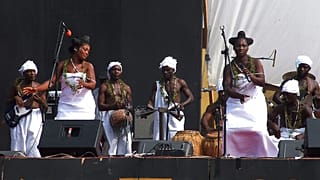
High above Rio de Janeiro, the rhythms of samba echoed through the city as artists boarded the iconic Corcovado Train for a special thanksgiving mass at the Christ the Redeemer statue. For the occasion, the classic tourist train was transformed into the vibrant “Samba Train,” departing from Cosme Velho Station as guests sang and swayed to the infectious beat.
During the mass, samba performers shared the stage with Father Omar Raposo, rector of the Christ the Redeemer Sanctuary, and representatives from some of Rio’s most traditional samba schools. “A lot of faith to our Brazilian people. In the samba culture you find values, love, respect, that’s where God is,” Father Omar said. “To welcome our samba artists at the Corcovado on Samba National Day shows our enthusiasm for carioca culture.”
Samba, which emerged in the early 20th century within Brazil’s Afro-Brazilian communities, blends African rhythms, Portuguese melodies, and local traditions. From street gatherings to carnival parades, it has grown into a symbol of Brazilian culture, joy, and national identity. Selminha Sorriso, a 55-year-old flag-bearer at Beija-Flor Samba School, reflected on its personal significance: “Samba is my life, my maturing… it brought me dignity, opportunity, life mission. Celebrating Samba National Day at Christ the Redeemer is a joy for us and for our ancestors who resisted so we could be here today.”
This year also marks 30 years of the Samba Train, the annual musical journey from Central do Brasil to Oswaldo Cruz, widely regarded as the birthplace of key samba traditions. The ride remains a moving tribute to samba’s roots, its pioneers, and the cultural legacy that continues to define Brazil’s iconic rhythm.

01:51
Ugandan churchgoers pray and fast for peaceful presidential election
01:20
24 schoolgirls abducted from Kebbi in Nigeria rescued, president says
01:17
Afro-Brazilians in Rio celebrate their history and culture on Black Consciousness Day
01:37
Nicki Minaj backs Trump over persecution of christians in Nigeria
01:35
Death toll rises to 119 in Rio’s deadly police raid, UN raises alarm
01:00
Major Rio police raid leaves 60 suspects dead